Stroke Recovery Treatment in New York
Recovery after a stroke is possible at every stage. Targeted physical therapy rebuilds strength, balance, and coordination so you can regain as much independence as possible.
What causes Stroke Recovery?
A stroke interrupts blood flow to part of the brain, and depending on the area affected, the result can be weakness on one side, balance difficulty, or loss of coordination. Those changes can feel frightening and permanent in the early weeks, especially when everyday tasks that once took no thought suddenly require real effort. The brain and body retain a remarkable capacity to adapt and rebuild function after a stroke, especially with structured, consistent rehabilitation.
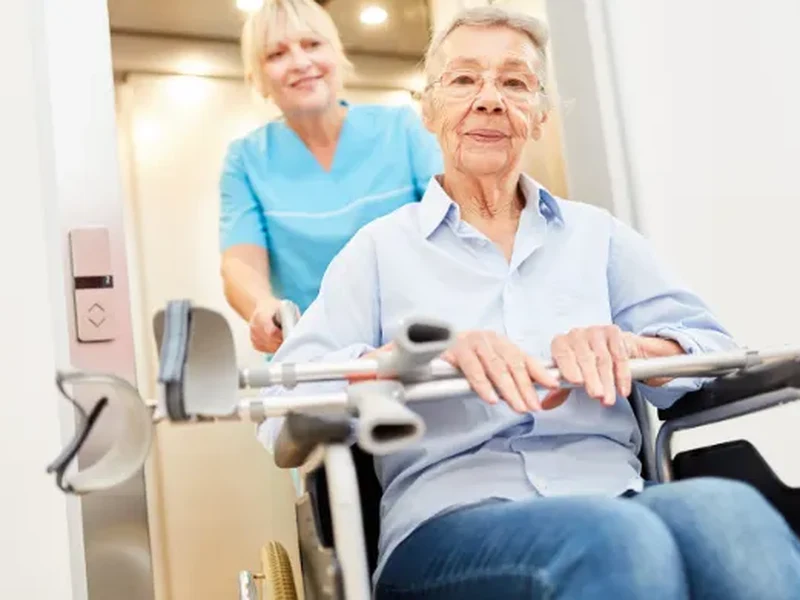
Damage to specific areas of the brain controls movement on the opposite side of the body, which is why one-sided weakness is a hallmark of stroke. Targeted retraining helps recover strength and function.
Stroke can disrupt the brain's ability to process balance information, increasing fall risk. Balance training helps rebuild these systems and improve safety.
Even without significant weakness, many stroke survivors struggle to coordinate complex movements. This requires specific motor learning-based rehab, not just general strengthening.
Extended hospital stays and reduced activity after a stroke lead to general deconditioning that compounds movement difficulties and needs to be addressed directly.
The brain's ability to rewire itself, known as neuroplasticity, is highest with consistent, repetitive, task-specific practice, which is the foundation of effective stroke rehab.
Some stroke survivors lose part of their sense of where a limb is in space or how surfaces feel underfoot. Without that feedback, movement becomes harder to trust, which shows up as hesitation, extra caution, or compensating with the unaffected side.
Changes in how the brain signals muscles can lead to increased tone or spasticity on the affected side, which restricts range of motion and makes functional movement more effortful if it is not addressed directly.
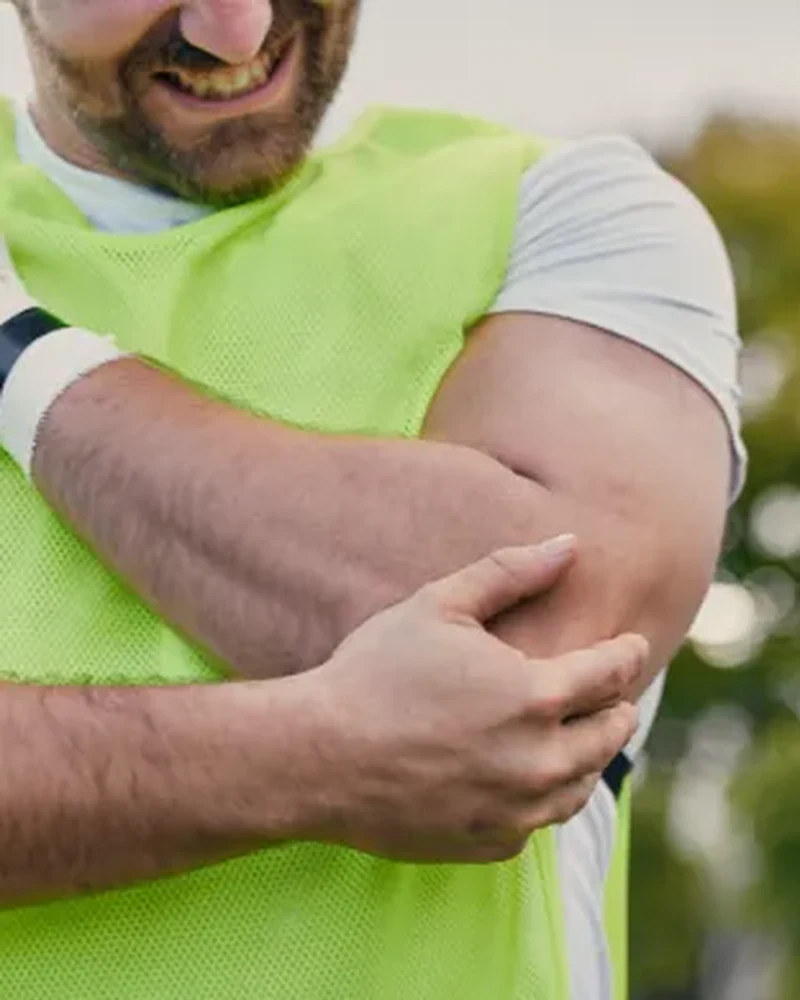
How physical therapy in New York helps.
Stroke rehabilitation is built on the principle of neuroplasticity, the brain's ability to rebuild pathways for movement through consistent, repetitive, task-specific practice. We start with a thorough evaluation of your strength, balance, coordination, and sensation to understand exactly what has been affected and what your daily goals are. Treatment combines strengthening of the weakened side, balance training to reduce fall risk, management of muscle tightness where it is present, and functional practice of the movements that matter most to your independence, whether that is walking, transferring, or reaching. Every session is a full hour, one-on-one, with the same therapist, so progress and setbacks are tracked closely rather than reassessed from scratch each visit. We adjust intensity and complexity as your brain and body respond, since recovery is rarely linear. Family and caregiver involvement is a core part of the plan, since consistent practice between sessions accelerates progress.
What to expect from your recovery.
Evaluation and functional baseline
We assess strength, balance, coordination, and sensation to build a plan around your specific stroke effects and personal goals. We also identify fall risks that need to be addressed early for safety.
Task-specific strength and balance retraining
We use repetitive, functional practice to rebuild strength, balance, and coordination through the brain's capacity for neuroplasticity. We involve family or caregivers so practice continues safely between visits.
Independence and long-term function
We progress toward your daily goals, whether that is walking, transferring, or returning to activities that matter most to you, adjusting the plan as your abilities continue to change.
I came in walking with the help of a cane and a noticeable sway in my walk. The team pinpointed my weakness and quickly put together a recovery plan including stretches, strength training, and hands-on work. Weeks later, things are almost back to normal.
Pain rarely travels alone.
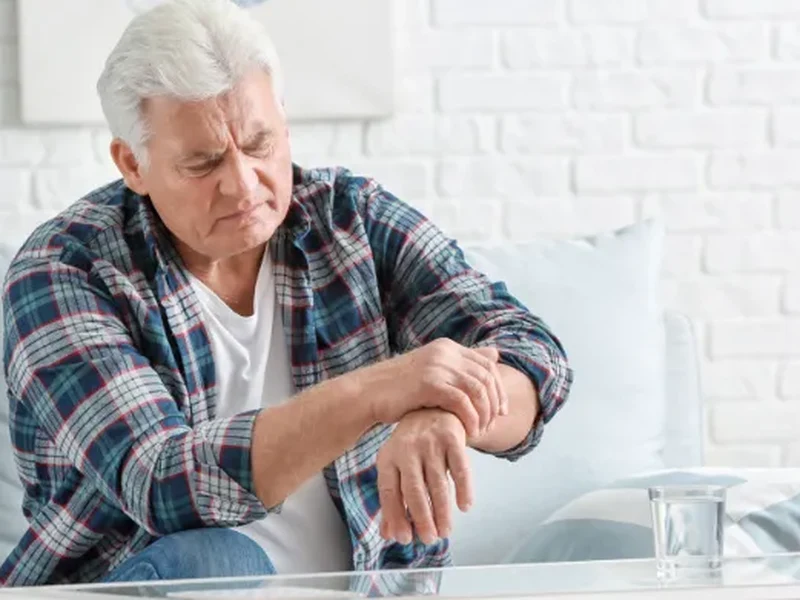
Parkinson's Disease
Neurological conditions share many rehab principles around balance and movement retraining.
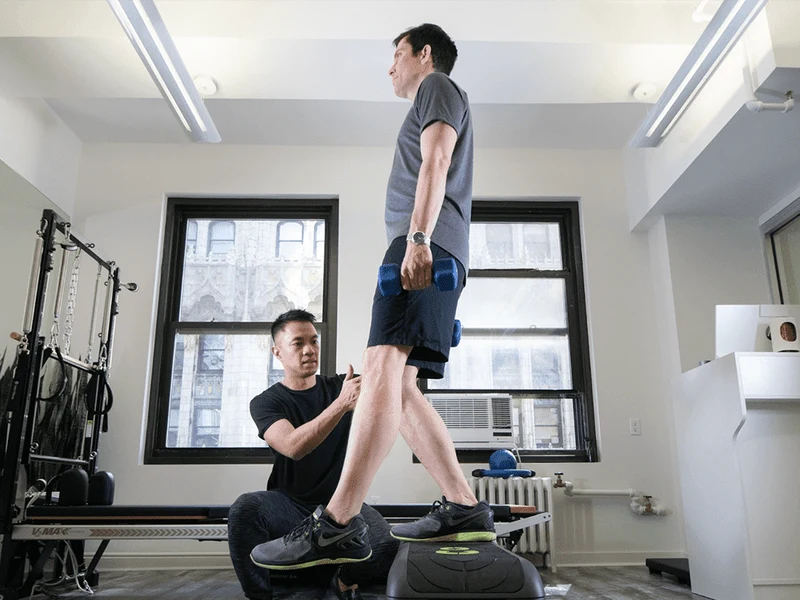
Balance & Gait Disorders
Balance and walking changes are central to recovery after a stroke. We treat both.
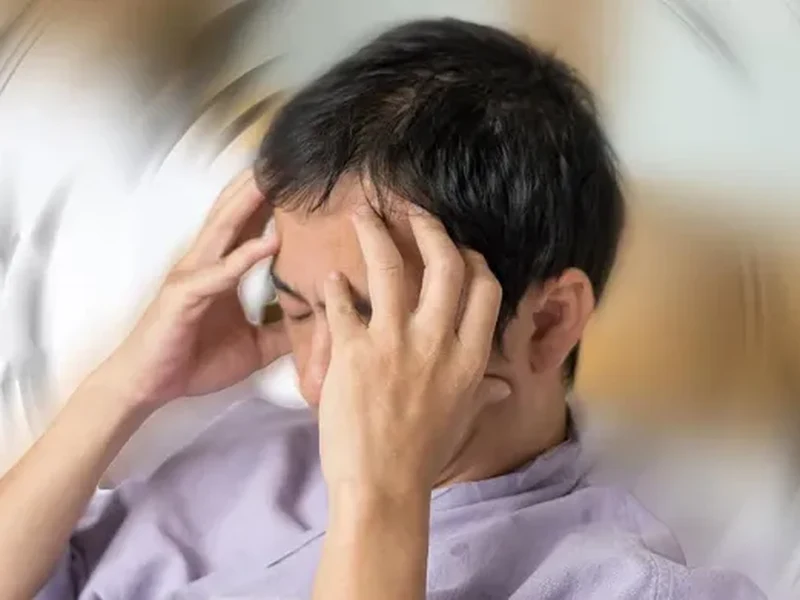
Dizziness & Vertigo
Balance system disruptions after a stroke often overlap with dizziness and vertigo symptoms.