Neck Pain Treatment in New York
Stiffness, limited motion, and headaches that start in your neck do not have to be part of your daily routine. Targeted physical therapy addresses the mechanics behind the pain.
What causes Neck Pain?
Neck pain rarely comes from one single event. More often it builds from posture, stress, and movement habits that quietly overload the muscles and joints of the cervical spine. Identifying which of those factors is driving your specific pain, rather than treating the neck in isolation, is how we build a plan that actually resolves it instead of just managing the flare-ups.
Hours spent looking at screens push the head forward of the shoulders, multiplying the load on neck muscles. Over time this posture becomes the body's default and a constant source of strain.
The neck and upper trapezius are common places the body holds stress-related tension. That chronic tightness restricts motion and often refers pain into the head.
The small joints of the neck can become stiff from disuse or old injury, limiting rotation and side bending and creating a persistent ache.
A neck injury that was never fully rehabilitated leaves lingering weakness and stiffness that resurfaces with everyday stress or activity.
An unsupportive pillow or awkward sleep position can strain the neck overnight, which is why many people wake up stiffer than they went to bed.
The small muscles at the front of the neck are meant to support the head through the day, but they weaken quickly with a sedentary lifestyle, forcing larger, less efficient muscles to take over and tighten up in the process.
The neck does not work in isolation. Rounded shoulders and a stiff upper back change the angle your neck has to work at all day, adding strain that shows up as neck pain even though the root cause sits lower down.

How physical therapy in New York helps.
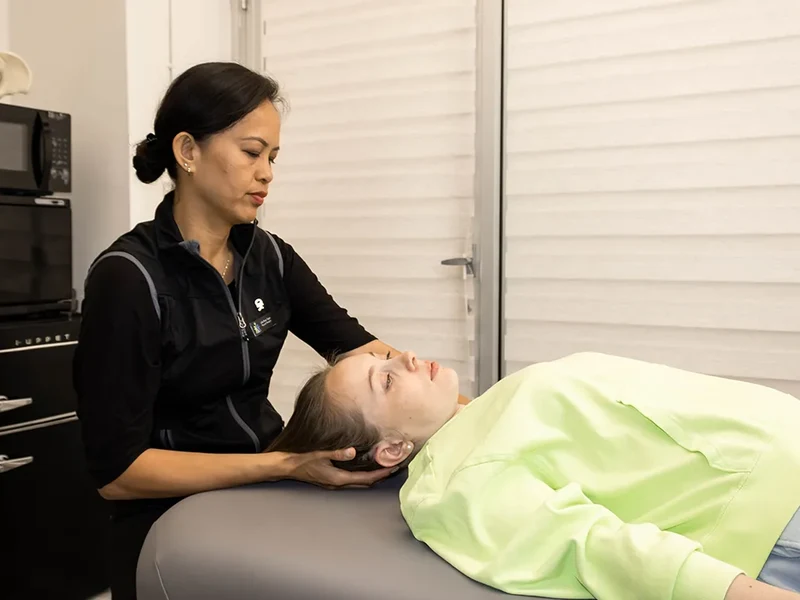
Treating neck pain starts with identifying whether the driver is postural, muscular, joint-related, or a combination. Hands-on manual therapy reduces stiffness in the cervical joints and releases tight muscles that are limiting your motion and triggering headaches. From there, we address the postural and strength deficits that let the pain return, building endurance in the deep neck flexors and upper back muscles that are supposed to support your head all day. Because the neck, shoulders, and upper back work as one system, we also assess and treat the surrounding shoulder blade and thoracic spine mechanics that often feed the problem. We also look at how you work, sleep, and move throughout your day, since lasting relief depends on changing the patterns that created the problem in the first place. Most patients feel meaningful relief within the first few visits, with continued improvement as strength and posture rebuild.
What to expect from your recovery.
Evaluation and pain relief
We identify what is driving your neck pain, whether postural, muscular, or joint-related, and begin reducing stiffness and muscle tension through hands-on therapy.
Restoring motion and strength
We rebuild range of motion and strengthen the deep neck flexors and upper back muscles that support your neck throughout the day.
Postural retraining and prevention
We finish with postural and habit changes, including how you work and sleep, so the pain does not simply return once therapy ends.
I came in with severe neck pain and dizziness resulting from injuries in my cervical spine and Dr. Bhumi was able to substantially improve my ailments. I immediately felt some relief after my initial visit and have noticed continuous improvement with each subsequent visit, and I am now nearly back to 100%.
Pain rarely travels alone.
Headaches
Neck-related headaches respond well to targeted treatment. We address the source, not just the pain.
Thoracic Outlet Syndrome
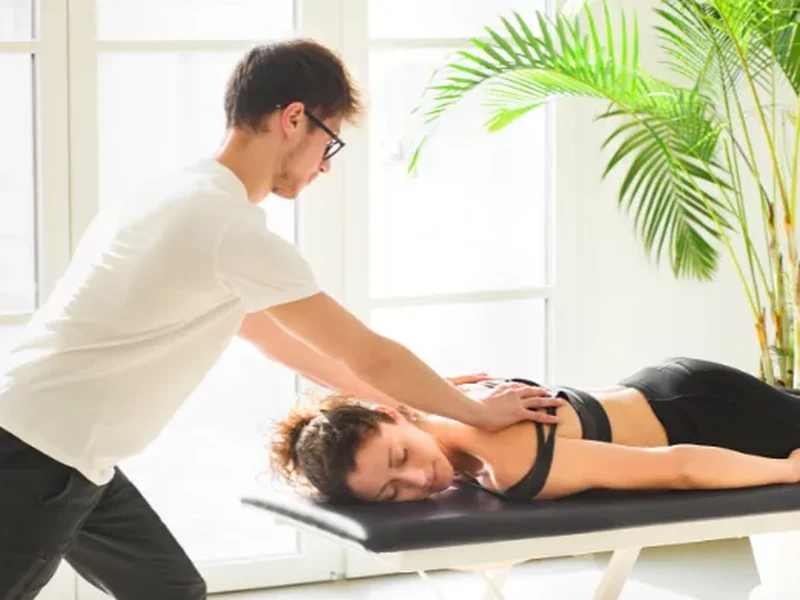
Neck and shoulder mechanics are closely linked to nerve and vascular symptoms in the arm.

Motor Vehicle Accident Injuries
Whiplash and collision injuries are a common cause of persistent neck pain.