Thoracic Outlet Syndrome Treatment in New York
Numbness, tingling, and pain radiating from the neck and shoulder into the arm are hallmark signs of thoracic outlet syndrome, a condition that responds well to targeted physical therapy.
What causes Thoracic Outlet Syndrome?
Thoracic outlet syndrome occurs when the nerves or blood vessels passing between your collarbone and first rib become compressed, causing numbness, tingling, and pain in the shoulder, neck, and arm. It is a frustrating condition because the symptoms can travel far from where the actual compression is happening, which is part of why it often goes unrecognized for months. Posture, muscle imbalances, and repetitive overhead activity are the most common contributors, and most cases improve significantly with targeted therapy.

Rounded shoulders and a forward head posture narrow the space where nerves and vessels pass near the collarbone, increasing compression and symptoms.
Muscles like the scalenes and pectoralis minor can tighten and compress the nerves and vessels passing beneath them, especially with stress or repetitive strain.
Jobs or sports involving frequent overhead reaching or lifting place repeated stress on the thoracic outlet, aggravating symptoms over time.
Weakness in the muscles that support proper shoulder blade position contributes to the postural changes that narrow the thoracic outlet.
Some people have anatomical differences, such as an extra rib, or prior injuries like a clavicle fracture, that predispose them to compression in this area.
Hours spent reaching toward a keyboard or phone hold the shoulders forward and down, gradually shortening the muscles that pass through the thoracic outlet and narrowing the space nerves and vessels need.
Regularly carrying a heavy bag on one shoulder, or a backpack with tight straps, can compress the space near the collarbone directly and contribute to numbness or tingling down the arm.

How physical therapy in New York helps.
Treatment for thoracic outlet syndrome focuses on relieving compression in the space between the collarbone and first rib through a combination of manual therapy, postural correction, and targeted strengthening. We begin with a full evaluation of your neck, shoulder, and posture to identify exactly where the compression is coming from, since the fix is different for someone with tight chest muscles than for someone with weak shoulder blade support. We release overly tight muscles in the neck and chest, then work on correcting the posture that narrows this space in the first place. Strengthening the muscles that support proper shoulder blade position is a key part of long-term relief, since these muscles help maintain the space nerves and vessels need. We also address any specific activities, whether work or sport related, that may be aggravating your symptoms, and we build these corrections into your daily routine so relief holds up outside the clinic. Most patients see significant improvement in numbness, tingling, and pain as posture and muscle balance are restored.
What to expect from your recovery.
Evaluation and symptom relief
We identify the specific structures contributing to compression and begin relieving tightness through manual therapy, giving you early relief from numbness and tingling.
Postural correction and strengthening
We correct the posture narrowing the thoracic outlet and build strength in the muscles that support proper shoulder blade position, so the space stays open under daily load.
Return to full activity
We address any work or sport-specific demands contributing to your symptoms so you return to full activity without recurring numbness or pain, with habits in place to keep it that way.
I came in with severe neck pain resulting from injuries in my cervical spine, and Dr. Bhumi was able to substantially improve my symptoms. I felt relief after my initial visit and noticed continuous improvement with each visit, and I am now nearly back to 100%.
Pain rarely travels alone.
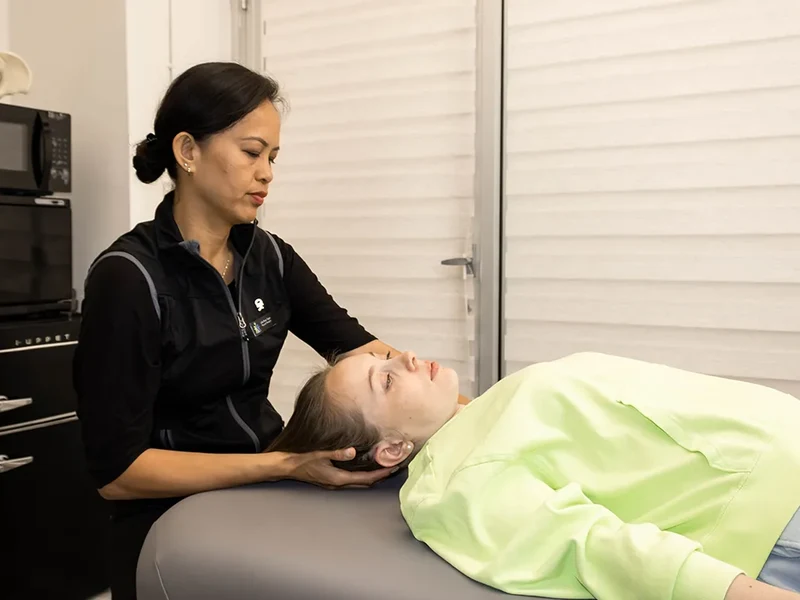
Neck Pain
Neck posture and mechanics are closely tied to thoracic outlet compression.
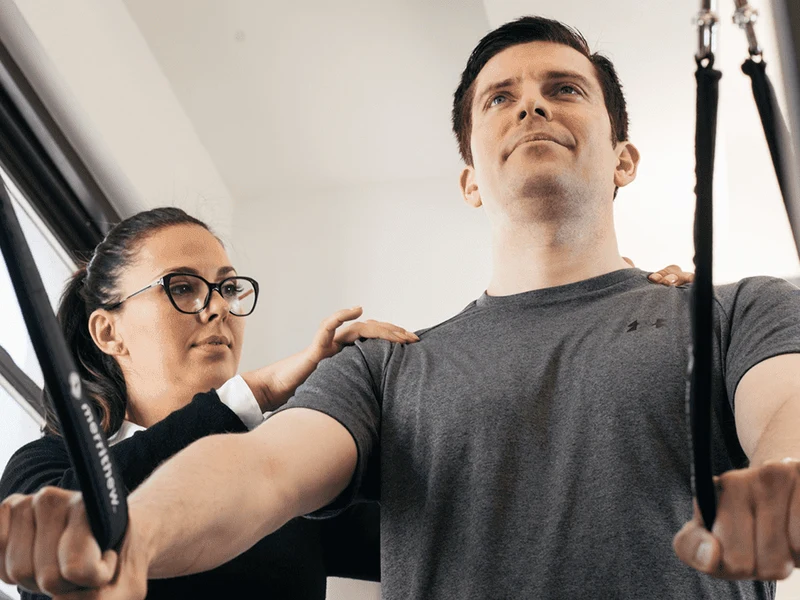
Shoulder Pain
Shoulder mechanics and posture play a major role in nerve compression syndromes.
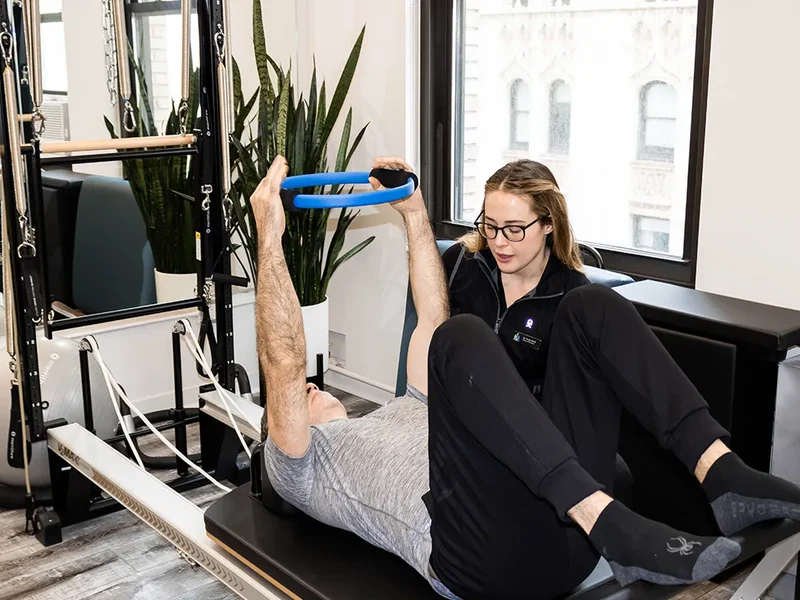
Elbow, Wrist & Hand Pain
Nerve compression symptoms often radiate down the arm into the hand and wrist.