TMJ/TMD Treatment in New York
Jaw pain, clicking, and headaches that seem to start at your jaw are the hallmark of TMJ/TMD, and physical therapy can address the muscular and joint mechanics driving those symptoms.
What causes TMJ/TMD?
TMJ/TMD refers to dysfunction of the temporomandibular joint, the hinge connecting your jaw to your skull. Jaw pain, clicking, and headaches are common symptoms, and they can make everyday things like chewing, yawning, or talking on the phone genuinely uncomfortable. They often trace back to muscle tension, joint mechanics, or postural habits that physical therapy is well suited to address, even though many people are never told PT is an option for jaw symptoms.
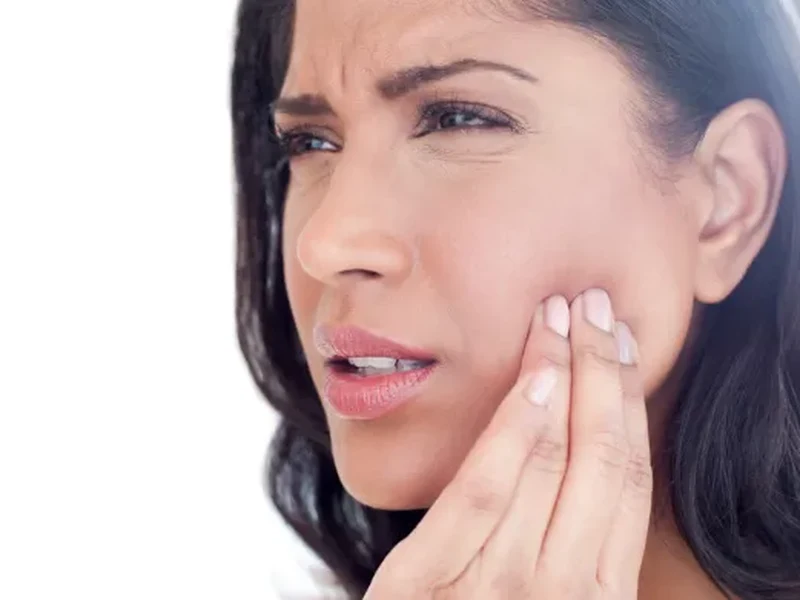
Stress and habitual clenching or grinding, especially at night, overload the muscles that control the jaw, leading to pain and fatigue.
The small disc that cushions the temporomandibular joint can shift out of its normal position, causing clicking or catching sensations during jaw movement.
The position of your head and neck directly influences jaw alignment and muscle activity, meaning postural habits often contribute to TMJ symptoms.
The muscles involved in TMJ dysfunction commonly refer pain into the temples and head, which is why headaches are such a common companion symptom.
A jaw injury or significant changes in bite from dental work can alter jaw mechanics and contribute to the development of TMD symptoms.
The muscles of the jaw and upper neck share nerve connections and often work together. Tightness or weakness in the neck can change how the jaw muscles function, which is why neck treatment is frequently part of resolving TMJ symptoms.
Periods of high stress often show up physically as unconscious jaw bracing throughout the day, not just clenching at night. That constant low-level tension adds up and keeps the muscles around the joint from fully relaxing, and over time it can limit how far the jaw comfortably opens.
How physical therapy in New York helps.
Physical therapy for TMJ/TMD begins with a detailed assessment of jaw movement, muscle tension, and neck and postural factors that may be contributing to your symptoms. Hands-on manual therapy releases tight, overworked jaw and neck muscles, often providing meaningful relief from pain and headaches within the first few visits. We also address jaw joint mechanics directly, working to improve smooth, symmetrical movement and reduce clicking or catching. Because the jaw and neck are so closely linked, treatment almost always includes work on neck mobility and strength alongside the jaw itself. Postural correction is a key piece of long-term results, since head and neck position directly influences jaw muscle activity and joint alignment. We finish with education on habits like clenching or grinding, plus a home program of stretches and self-releases to maintain the improvements long after your last visit.
What to expect from your recovery.
Evaluation and pain relief
We assess jaw mechanics, muscle tension, neck involvement, and postural factors, then begin relieving pain and muscle guarding through hands-on manual therapy.
Restoring joint mechanics and mobility
We work to improve smooth, symmetrical jaw movement and reduce clicking, catching, or restricted opening, while building strength and control in the neck and jaw together.
Postural correction and long-term management
We address the postural habits and stress-related patterns contributing to your symptoms and provide a home program of stretches and self-checks to maintain lasting relief.
After trying multiple providers, only Monica and the team were able to fully address my issue and its root causes and work with me on a program to heal completely. Her level of expertise, the time she takes, and the wonderful environment she has made all the difference.
Pain rarely travels alone.
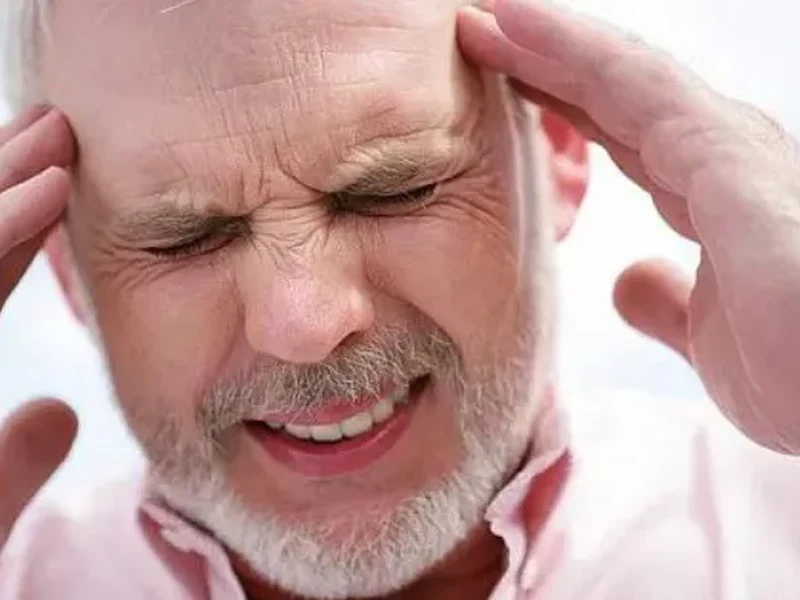
Headaches
Jaw tension is a common and often overlooked cause of recurring headaches.
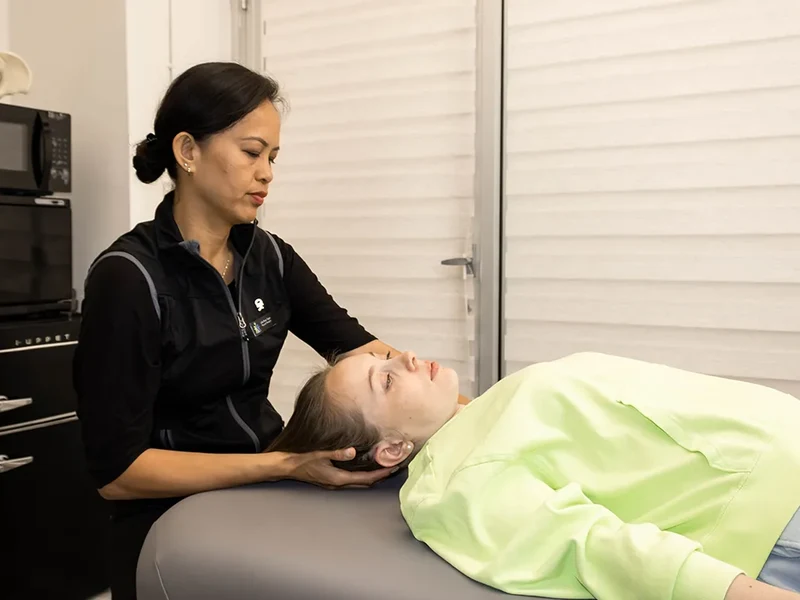
Neck Pain
Neck posture and jaw mechanics are closely connected. We treat both together.

Motor Vehicle Accident Injuries
Jaw injuries and TMJ symptoms can develop after whiplash-type trauma.