Hip Replacement Surgery Treatment in New York
A new hip is only half the equation. Structured rehab after hip replacement surgery is what turns a successful operation into a fully functional, pain-free hip you can trust again.
What causes Hip Replacement Surgery?
Stiffness, swelling, and reduced mobility after hip replacement surgery are a normal part of healing, but how you manage that window determines your long-term outcome. The tissue around a new joint needs guided movement and progressive strengthening to regain full function, not just time on the couch. Patients who get structured, hands-on rehab in the first weeks after surgery typically walk further, climb stairs more comfortably, and trust the joint sooner than patients who wait for it to feel ready on its own.

Swelling after hip replacement is the body's natural healing response, but left unmanaged it limits motion and slows progress. Fluid pools around the incision and joint capsule, making the hip feel tight and heavy even when the underlying surgery went well. Gentle movement, positioning, and specific manual techniques help control it early so the joint does not stiffen while it waits to heal.
Months or years of pain before surgery often leave the glutes and hip stabilizers weak and inhibited, since the body learned to avoid using a joint that hurt. Surgery replaces the joint, but it does not automatically re-teach those muscles how to fire. Targeted strengthening is what actually restores a normal walking pattern.
As incisions heal, scar tissue can restrict the soft tissue around the new joint, gradually limiting how far the hip flexes or rotates if it is left alone. Manual therapy and progressive mobility work keep that tissue gliding properly instead of tightening down around the implant.
It is natural to move cautiously after a major surgery, but excessive guarding slows recovery and can create compensations in the lower back or opposite leg. Guided progression, with a therapist confirming what is safe at each stage, rebuilds confidence without letting protective habits become permanent limitations.
Years of favoring a painful hip before surgery often shift extra load onto the other leg and the lower back. That compensation pattern does not disappear the day of surgery. It has to be retrained, or the new hip inherits movement habits that were built around the old, painful one.
Recovery outcomes are strongly tied to consistency with prescribed movement and exercise between visits, not just what happens in the clinic. A structured, trackable plan keeps you progressing week to week instead of plateauing at partial function.
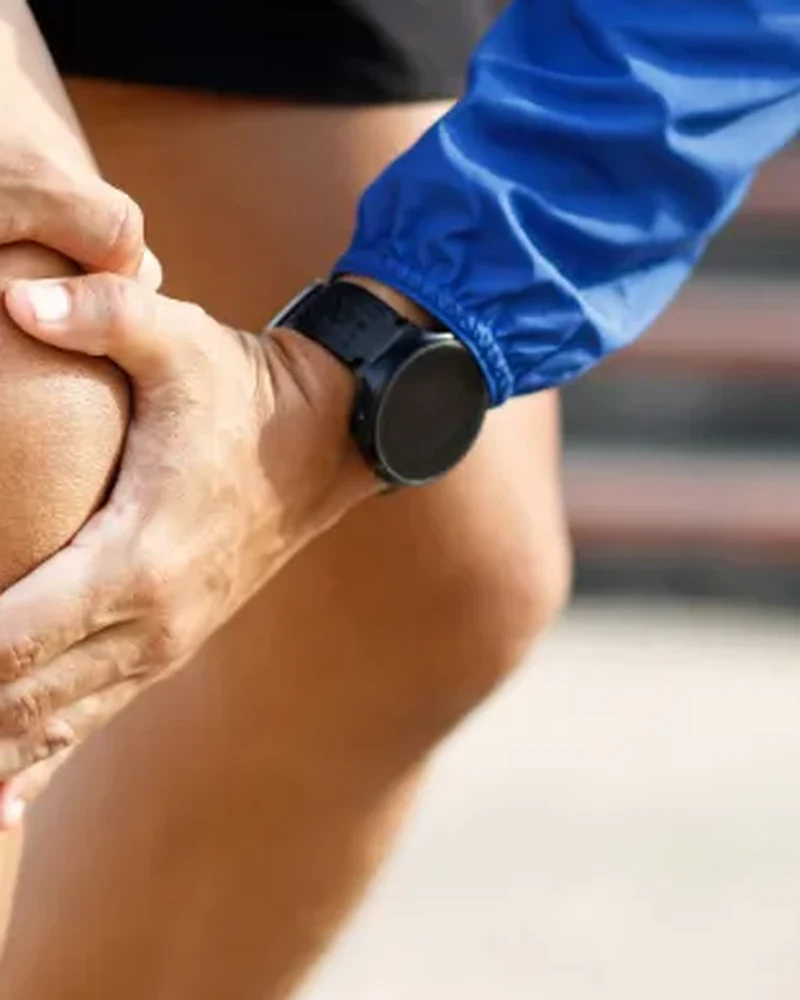
How physical therapy in New York helps.
Rehab after hip replacement surgery follows a clear progression. In the early weeks, we focus on controlling swelling, protecting the new joint, and restoring safe walking mechanics with or without an assistive device. As healing advances, we build strength in the hip, glutes, and core so the joint has real muscular support instead of relying on compensations from the back or the other leg. We also work on balance and functional movement, like getting in and out of a car, managing stairs, or standing up from a chair, so your daily life comes back on schedule instead of staying limited by habits formed during recovery. Every plan is built around your surgeon's protocol and your personal goals, whether that is walking without a limp, returning to golf, or simply moving around your home without thinking about your hip. This one-on-one approach means your progressions are based on how your hip is actually responding at each visit, not a generic timeline handed to every patient regardless of how they are healing.
What to expect from your recovery.
Early protection and mobility
We control swelling, protect the healing joint, and restore safe walking and basic range of motion in the first weeks after surgery. Sessions are gentle and closely monitored, following your surgeon's specific precautions for how far and how fast the hip can move.
Progressive strengthening
As healing allows, we build strength in the hip, glutes, and core so the new joint has full muscular support instead of relying on old compensation patterns. This is usually where patients notice walking start to feel steady again.
Return to full function
We finish with balance, gait, and functional training so you return confidently to daily activities and the things you enjoy, whether that is a full day on your feet or getting back to a favorite sport.
I came in walking with the help of a cane and a noticeable sway in my walk. They pinpointed my weakness and quickly put together a recovery plan including stretches, strength training, and massages. Eight weeks later, things are almost back to normal.
Pain rarely travels alone.
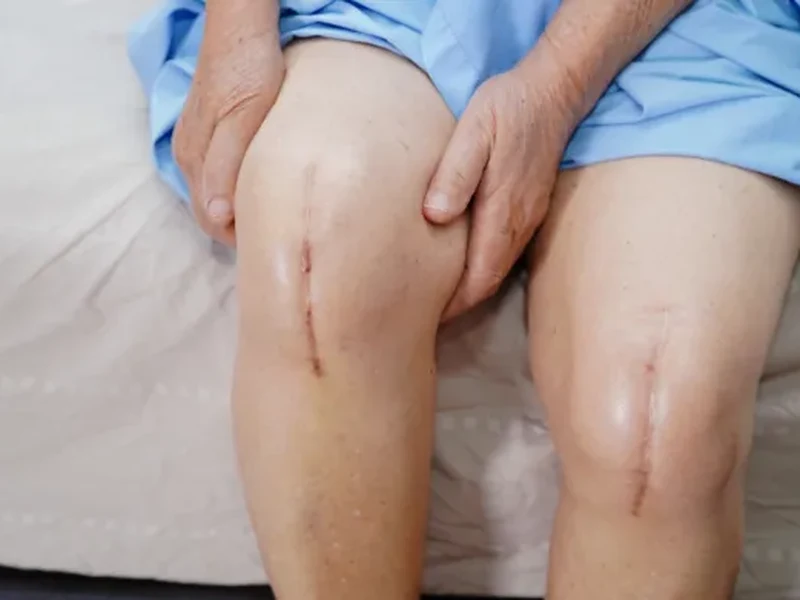
Knee Replacement Surgery
Joint replacement rehab follows similar principles whether it is a hip or a knee. We know the path.
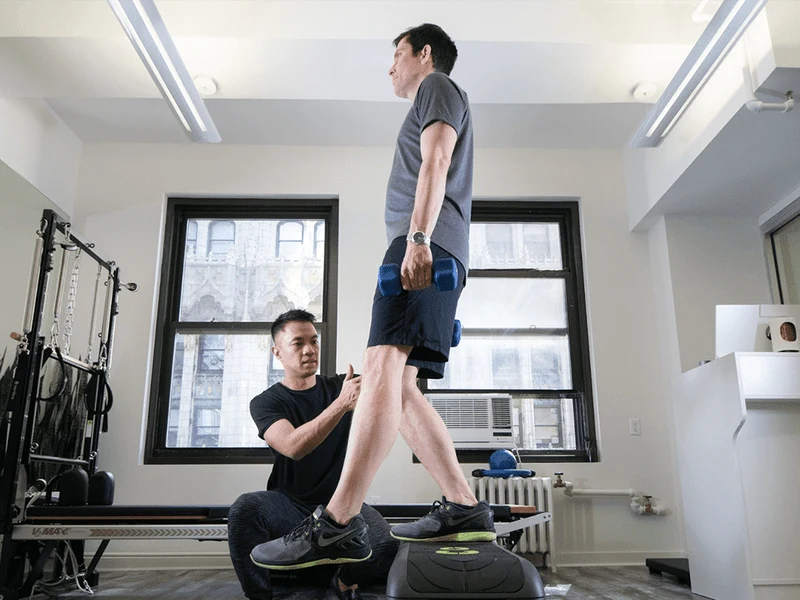
Hip & Knee Pain
Hip and knee pain often share the same root causes. We treat the whole kinetic chain.

Joint Pain
Stiff, aching joints limit what you can do. We restore mechanics and build lasting strength.