Knee Replacement Surgery Treatment in New York
A new knee gives you the parts. Physical therapy gives you the function. Structured rehab after knee replacement is what determines whether you get a full, confident recovery.
What causes Knee Replacement Surgery?
Stiffness and swelling after knee replacement surgery are expected, but they can become long-term problems if the knee is not guided through the right movement early and often. Scar tissue forms fast, and the window to restore full bend and straighten is time-sensitive. Patients who start guided, hands-on therapy in the first days after surgery generally regain motion faster and avoid the lasting stiffness that comes from waiting too long to move.
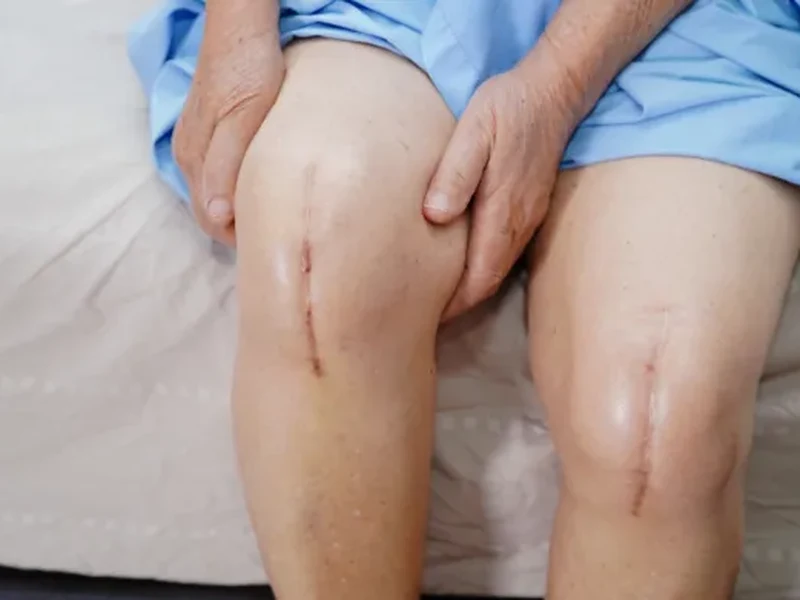
Swelling around a new knee restricts motion and slows healing if it is not actively managed. Fluid builds up in and around the joint capsule, and a swollen knee simply will not bend as far no matter how much effort you put in. Elevation, movement, and specific hands-on techniques keep it under control from the first week.
As the knee heals, scar tissue can bind up the joint capsule, limiting how far you can bend or straighten if it goes unaddressed. This tissue forms quickly and firms up over just a few weeks. Consistent, progressive stretching in the early recovery window prevents this from becoming a permanent limitation.
The quad muscle often shuts down reflexively after knee surgery, a well-documented phenomenon called quad inhibition where the nervous system protects the joint by refusing to fully activate the muscle. Specific activation techniques and targeted strengthening wake this muscle back up so it can support the joint through walking and stairs.
Guarding against pain is natural after a major joint surgery, but avoiding movement early on allows stiffness to set in faster than most patients expect. A guided, paced approach builds confidence and range of motion together, without pushing too hard too fast or holding back longer than necessary.
A knee that is swollen, stiff, or not fully trusted changes how you walk, often shifting weight onto the other leg or the hip and lower back. Left uncorrected, that altered gait pattern can outlast the surgery itself and create new aches elsewhere.
The exercises done between visits matter as much as the visits themselves, since range of motion gains can be lost in a matter of days without reinforcement. A clear, trackable home program keeps momentum going every single day, not just during scheduled sessions.

How physical therapy in New York helps.
Recovery from knee replacement surgery is a race against scar tissue in the early weeks, so we prioritize restoring range of motion right away through hands-on therapy and progressive stretching, working within whatever precautions your surgeon has set. At the same time, we start waking up the quadriceps and surrounding muscles, since a strong, engaged quad is what makes walking, stairs, and standing from a chair possible again without the knee buckling or aching. As motion and strength improve, we add functional training, balance work, and gait retraining so you move naturally instead of favoring the new joint or leaning on the leg that never had surgery. We coordinate closely with your surgeon's protocol and adjust the pace based on how your knee actually responds at each visit, not a one-size-fits-all timeline printed on a handout. The result is a knee that bends, straightens, and supports you the way it is supposed to, so the surgery pays off the way it was meant to.
What to expect from your recovery.
Swelling control and early range of motion
We prioritize restoring bend and straighten early, before scar tissue can restrict the joint, while managing post-surgical swelling with manual techniques and guided movement. This stage moves quickly because the window matters.
Strength and quad activation
We rebuild quadriceps strength and activation so the muscles, not just the implant, support your knee through daily movement like stairs and standing from a chair.
Functional return and gait retraining
We finish with balance, stairs, and gait training so you walk naturally, without favoring the new joint, and return to the activities that matter to you.
Dr. Kristian is knowledgeable and very skilled. Over the past two weeks I have gone from limping down the subway stairs to confidently moving about the city again. I should have started sooner, but I am so glad I made the investment in my recovery.
Pain rarely travels alone.
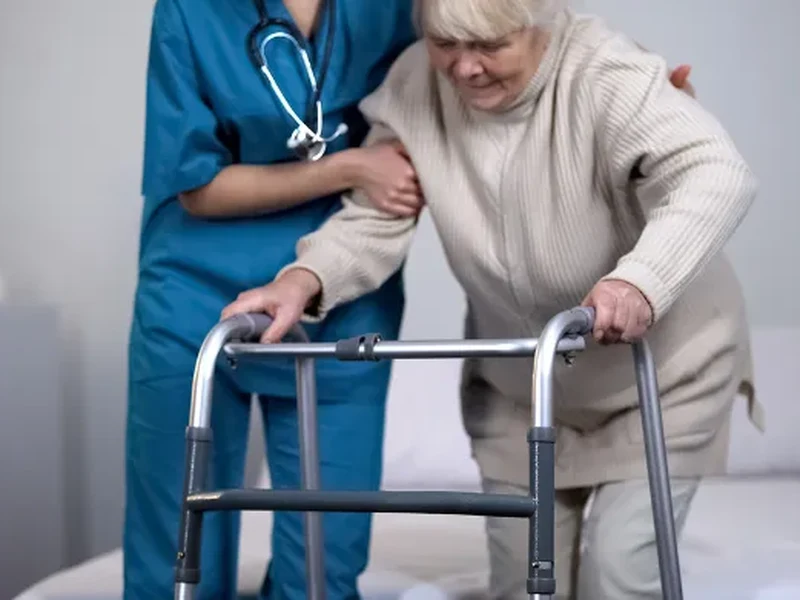
Hip Replacement Surgery
Joint replacement rehab follows similar principles whether it is a knee or a hip. We know the path.
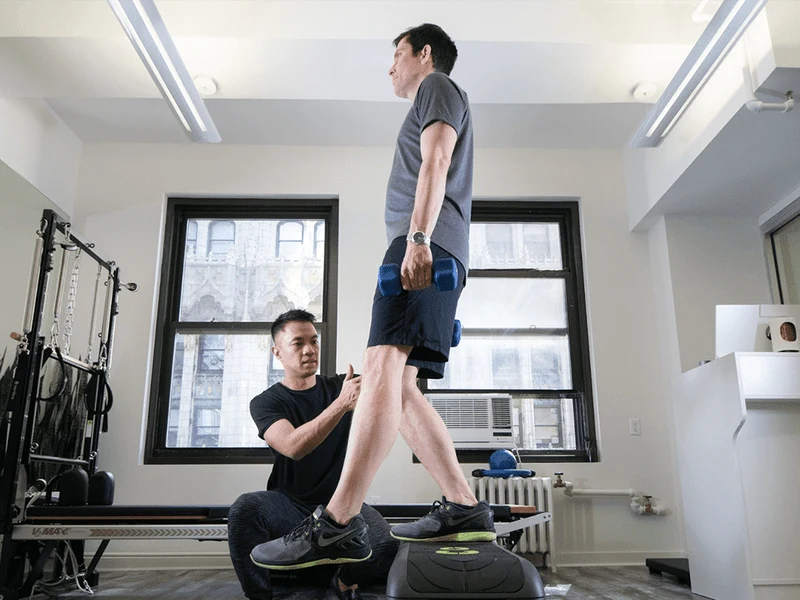
Hip & Knee Pain
Hip and knee pain often share the same root causes. We treat the whole kinetic chain.
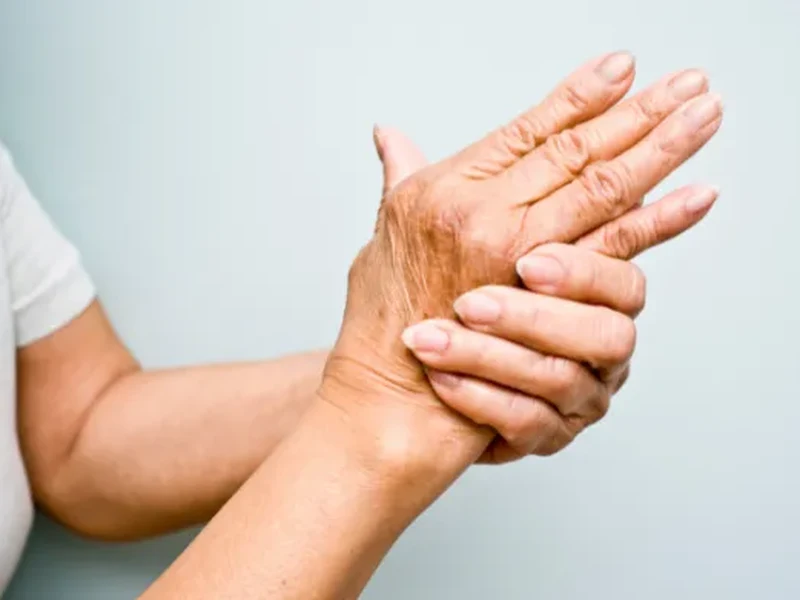
Arthritis
Joint replacement often follows years of arthritis. We help you manage the joints that remain.