Plantar Fasciitis Treatment in New York
That sharp first-step heel pain in the morning is the signature of plantar fasciitis, and it responds well to the right combination of hands-on treatment and targeted strengthening.
What causes Plantar Fasciitis?
Plantar fasciitis develops when the thick band of tissue supporting your arch becomes overloaded and irritated. It is one of the most common causes of heel pain, and while it can feel stubborn, especially with that sharp first-step pain in the morning, it responds predictably to the right combination of load management, mobility work, and strengthening.
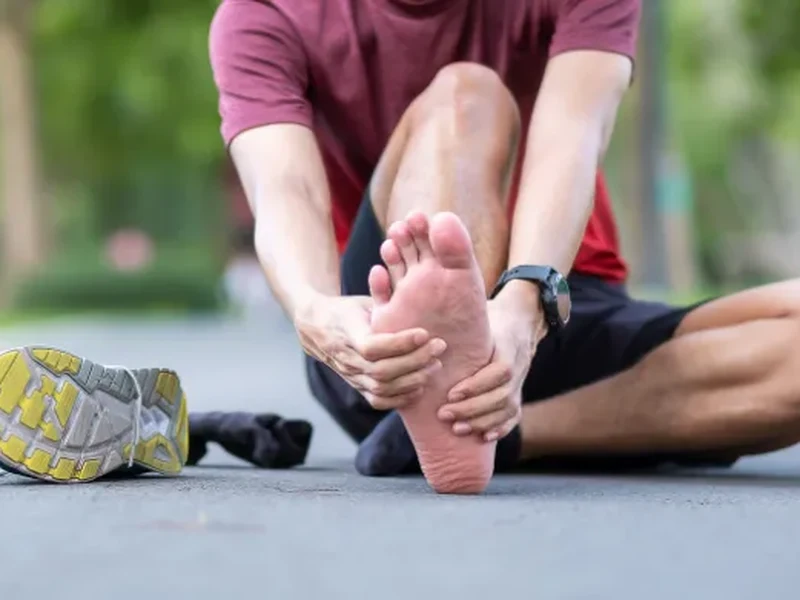
A quick jump in activity, whether from a new running program or a job that suddenly has you on your feet all day, overloads the plantar fascia before it can adapt.
Limited ankle flexibility increases strain on the plantar fascia with every step. Restoring calf and ankle mobility takes direct pressure off the injured tissue.
The small stabilizing muscles of the foot are meant to share the load with the plantar fascia. When they are weak, the fascia absorbs more stress than it should.
Shoes without adequate support, or feet that roll inward excessively, change how force travels through the arch and can concentrate strain on the fascia.
Jobs or lifestyles that involve long hours standing on unforgiving surfaces steadily accumulate stress on the heel and arch.
Additional load through the foot with every step increases the tension the plantar fascia has to absorb, which is one reason recent weight changes, including pregnancy, can trigger a first episode of heel pain.
Both unusually flat and unusually high arches change how force distributes across the foot, and either pattern can concentrate extra strain on the plantar fascia over time. A gait assessment helps identify whether your own foot structure is part of what needs to be addressed.
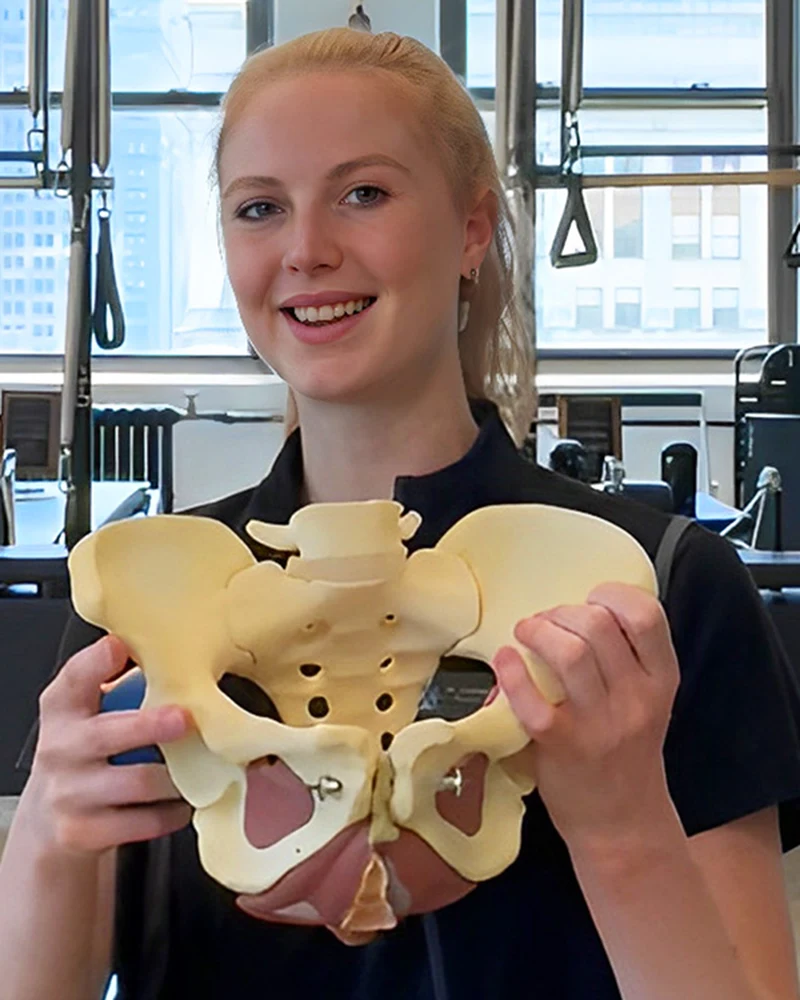
How physical therapy in New York helps.
Treating plantar fasciitis starts with reducing the irritation and pain in the fascia itself, using hands-on techniques like IASTM to break up restricted tissue and improve mobility in the calf, ankle, and foot. From there, we build strength in the small stabilizing muscles of the foot so they can share the load the fascia has been carrying alone. We also assess your footwear, walking or running mechanics, arch structure, and daily activity patterns to identify what is overloading the tissue in the first place. A structured, progressive return to activity, rather than complete rest, is usually what gets lasting results, since total rest tends to let symptoms return the moment you go back to normal activity. Most patients see a significant reduction in that sharp first-step pain within a few weeks of consistent treatment.
What to expect from your recovery.
Pain reduction and tissue mobility
We reduce irritation in the plantar fascia and restore mobility in the calf and ankle through hands-on treatment, often using IASTM to break up restricted tissue and calm down that first-step morning pain.
Strengthening and load management
We build strength in the foot and ankle so the fascia is no longer carrying the load on its own, and adjust activity and footwear to allow proper healing.
Return to full activity
We progress you back to walking, running, or standing demands with mechanics that protect the fascia going forward, with a home program to prevent recurrence.
I came to Tribeca PT not knowing what was wrong with my feet. I just knew there was a serious problem, with intermittent pain and decreased stability that had dampened my passion for running. In just one session, through their one-on-one comprehensive assessment, we were already doing exercises designed to help me recover and prevent it from happening again.
Pain rarely travels alone.
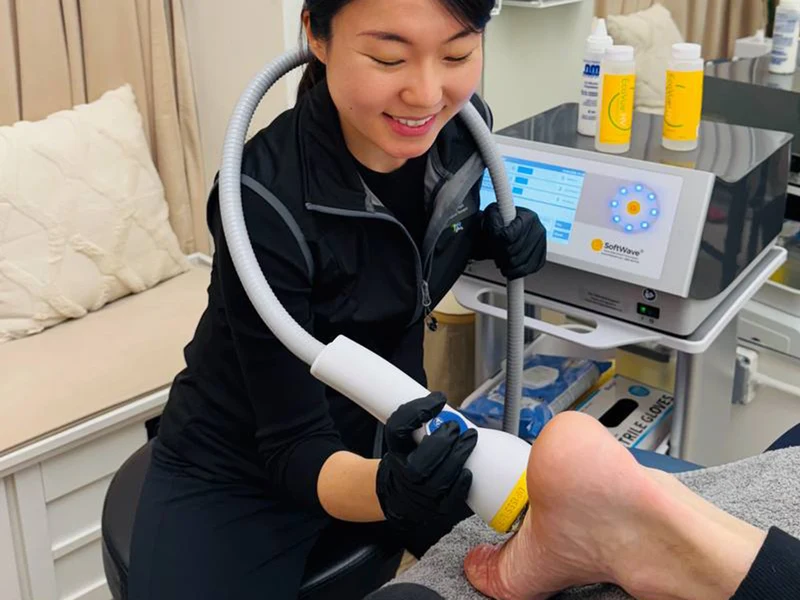
Foot & Ankle Pain
Foot and ankle pain often overlaps with plantar fasciitis. We treat the full lower leg chain.
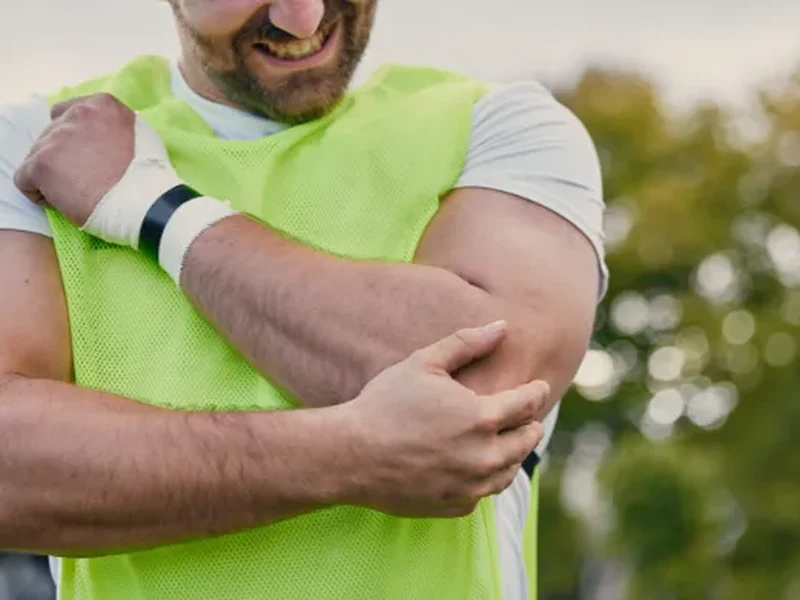
Tendinitis
Overloaded tendons and irritated fascia respond to similar hands-on and strengthening approaches.

Joint Pain
Foot and ankle joint mechanics play a large role in arch and heel pain.