Tendinitis Treatment in New York
Localized pain, swelling, and stiffness around a tendon are signs of tendinitis, an overuse injury that responds well to the right combination of load management and hands-on treatment.
What causes Tendinitis?
Tendinitis develops when a tendon is repeatedly loaded faster than it can recover, leading to irritation, localized pain, and stiffness. It shows up in the elbow from repetitive gripping and lifting, in the shoulder from overhead work, and in the Achilles or knee from running and jumping. It is one of the most common overuse injuries we treat, and it responds predictably to a structured plan that balances rest, loading, and hands-on care.
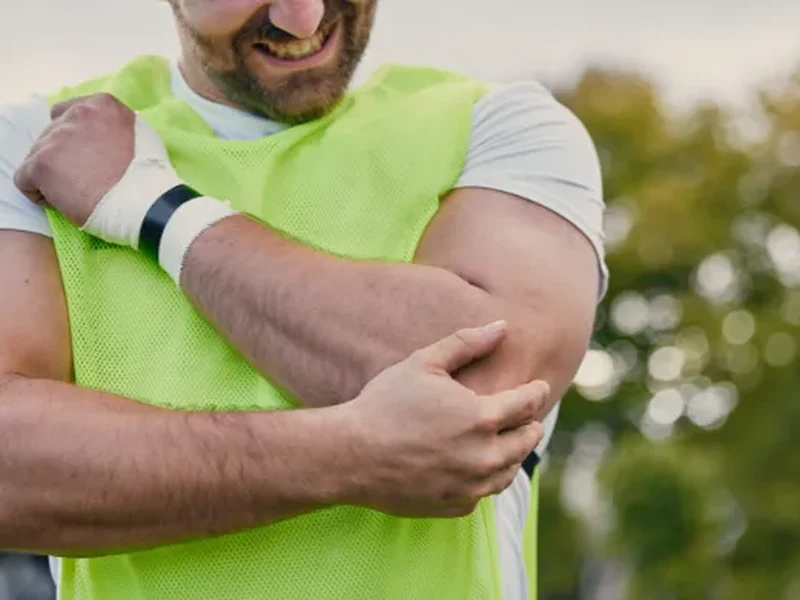
Repeating the same motion at work, in sport, or in exercise without enough recovery time overloads the tendon faster than it can adapt, leading to irritation.
A quick jump in intensity, frequency, or volume of activity is one of the most common triggers for tendinitis, since the tendon has not had time to build tolerance.
Compensations or inefficient movement patterns can concentrate force on a single tendon rather than distributing it across a joint properly.
Tendons naturally lose some elasticity and blood supply with age, making them more susceptible to irritation from loads they previously tolerated easily.
Tendons that are not properly warmed up or conditioned for the demands placed on them are more prone to irritation and injury.
A tendon transmits force from muscle to bone, so when the surrounding muscle is weak, the tendon absorbs more load than it is built for. This is common at the elbow, where forearm weakness overloads the tendon during gripping tasks.
Pain often improves before the tendon has actually rebuilt its capacity. Going back to full activity based on pain alone, without a progressive loading plan behind it, is a common reason tendinitis becomes a repeating problem.
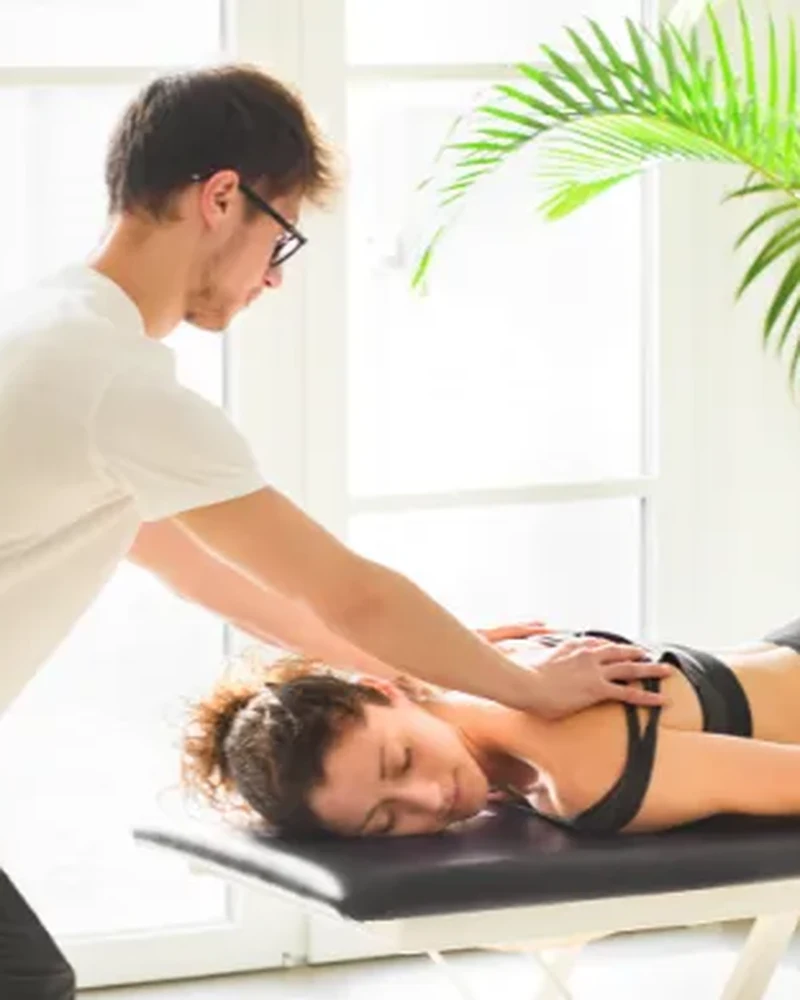
How physical therapy in New York helps.
Treating tendinitis requires the right balance of protecting the tendon and continuing to load it appropriately, since complete rest often allows the tendon to weaken further. We start with a hands-on assessment to identify exactly which tendon is involved and how much load it can currently tolerate. We use techniques like IASTM and Softwave Shockwave therapy to stimulate healing and break up restricted tissue around the irritated tendon. Alongside this, we build a progressive loading program that strengthens the tendon at a pace it can tolerate, since controlled load, not rest alone, is what actually drives tendon healing and remodeling. We also address the mechanics, muscle weakness, or training patterns that overloaded the tendon in the first place, so the same issue does not resurface once you return to full activity. Most patients see steady improvement in pain and function over several weeks of consistent, progressive treatment.
What to expect from your recovery.
Pain reduction and tissue treatment
We reduce irritation and pain in the affected tendon using hands-on techniques like IASTM and Softwave Shockwave therapy, and identify the load the tendon can currently handle.
Progressive tendon loading
We build a structured strengthening program that loads the tendon at a pace it can tolerate, which is what actually drives healing, increasing demand as your tendon adapts.
Return to full activity
We address the mechanics, weakness, or training patterns that caused the overload and return you to full activity with a stronger, more resilient tendon.
I started coming to Tribeca PT because of anterior shoulder and elbow pain. After the first two appointments with Dr. Kristian, my pain improved dramatically, and my strength has continued to improve every week.
Pain rarely travels alone.
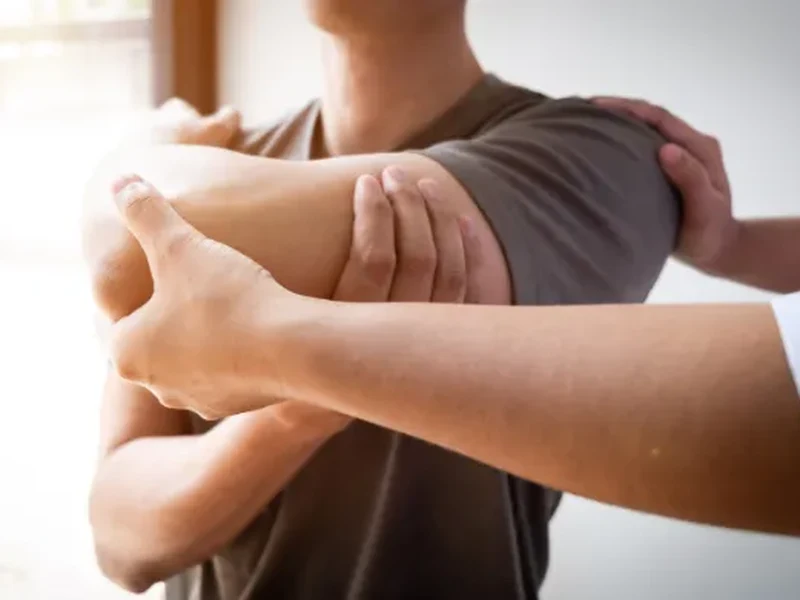
Rotator Cuff Tears
Tendon overload and tears share overlapping causes and rehab approaches.
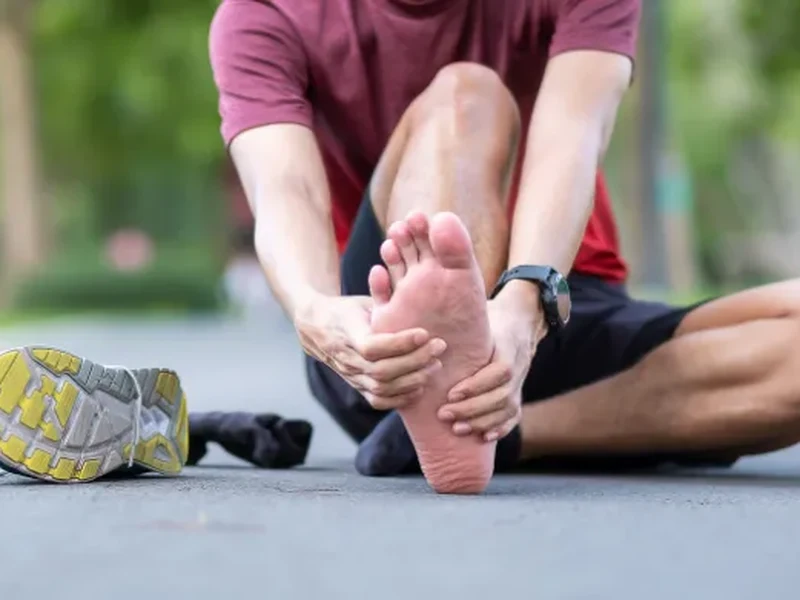
Plantar Fasciitis
Overloaded connective tissue in the foot responds to the same hands-on and strengthening principles.
Joint Pain
Tendon and joint issues often occur together and benefit from a combined treatment approach.