Rotator Cuff Tears Treatment in New York
Shoulder weakness, pain reaching overhead, and pain that wakes you at night are classic signs of a rotator cuff tear. Many tears respond well to physical therapy without surgery.
What causes Rotator Cuff Tears?
The rotator cuff is a group of four muscles that stabilize your shoulder through every movement, and tears can happen suddenly from an injury or gradually from years of wear. Understanding which pattern applies to you, and whether the tear is partial or full-thickness, shapes the entire treatment approach, and many tears respond very well to physical therapy alone without surgery.
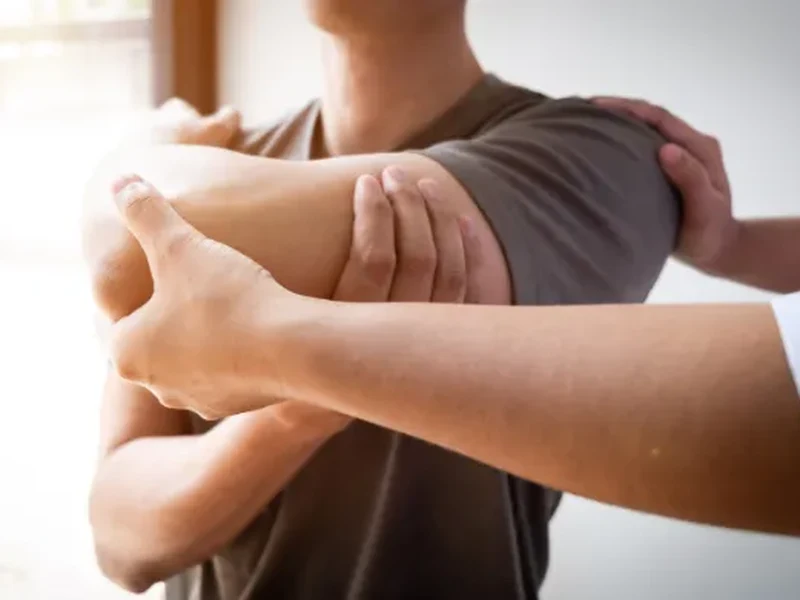
A fall onto an outstretched arm or a forceful pulling motion can tear the rotator cuff suddenly, often accompanied by immediate weakness and sharp pain.
Years of repetitive overhead motion, whether from a job or a sport like swimming or throwing, gradually wear down the rotator cuff tendons until they tear.
When the space around the rotator cuff tendons narrows due to posture or mechanics, the tendons get pinched repeatedly, weakening them until a tear develops.
Rotator cuff tendons naturally lose blood supply and elasticity with age, making tears more common and often present without a single specific injury.
Weakness in the muscles that stabilize the shoulder blade forces the rotator cuff to work harder than it should, accelerating wear and increasing tear risk.
The area of the rotator cuff most commonly torn has naturally limited blood flow, which slows healing on its own and is part of why a structured strengthening program matters so much for recovery.
Once the rotator cuff is injured, the body often recruits larger muscles like the upper trapezius to get the arm overhead instead. That substitution pattern can create new pain and needs to be retrained even after the tear itself is addressed.
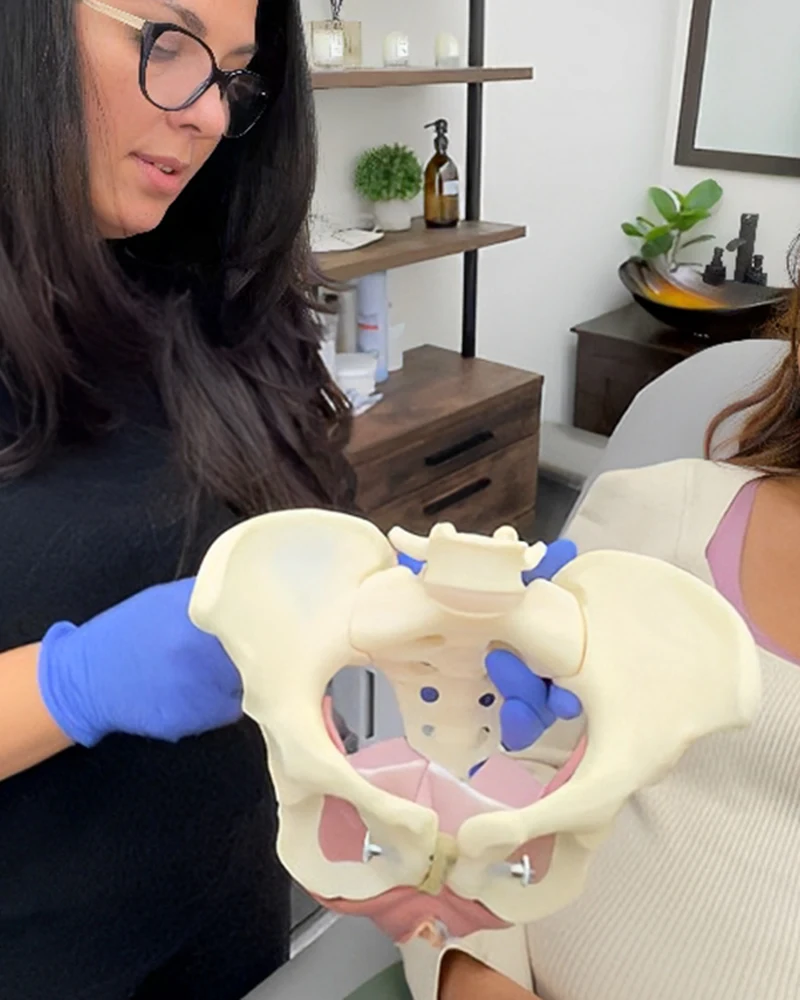
How physical therapy in New York helps.
Treatment for a rotator cuff tear begins with an accurate picture of your specific tear pattern and how it is affecting your strength and function. For many tears, physical therapy is the primary treatment, focusing on reducing pain and inflammation first, then rebuilding strength in the rotator cuff and the surrounding shoulder blade muscles that share the load. Part of that work includes retraining the shoulder to stop relying on compensating muscles like the upper trapezius, which take over once the cuff is weak and create their own pain if left unaddressed. We progress carefully from gentle, protected movement to full strengthening, always respecting what the tissue can tolerate at each stage. Even when surgery is part of the picture, pre-surgical strengthening improves outcomes, and post-surgical rehab is essential to regain full function. Whichever path applies to you, the goal is a shoulder that is strong enough to handle overhead reaching, lifting, and sleeping without pain.
What to expect from your recovery.
Evaluation and pain reduction
We assess your tear pattern and shoulder mechanics, then begin reducing pain and inflammation through hands-on therapy and gentle movement.
Progressive rotator cuff strengthening
We rebuild strength in the rotator cuff and shoulder blade muscles that share the load, retraining any compensation patterns and working within what the tissue can tolerate.
Return to overhead activity
We finish with functional and overhead strengthening so you return confidently to work, sport, or daily reaching without pain, with a maintenance program to protect the shoulder long term.
Dr. Kristian gave me a program that was everything I needed to max out the range of motion in my left shoulder after a massive rotator cuff tear. If you have frozen shoulder or any other comparable issues, Dr. Kristian and Tribeca Physical Therapy is the place to go!
Pain rarely travels alone.
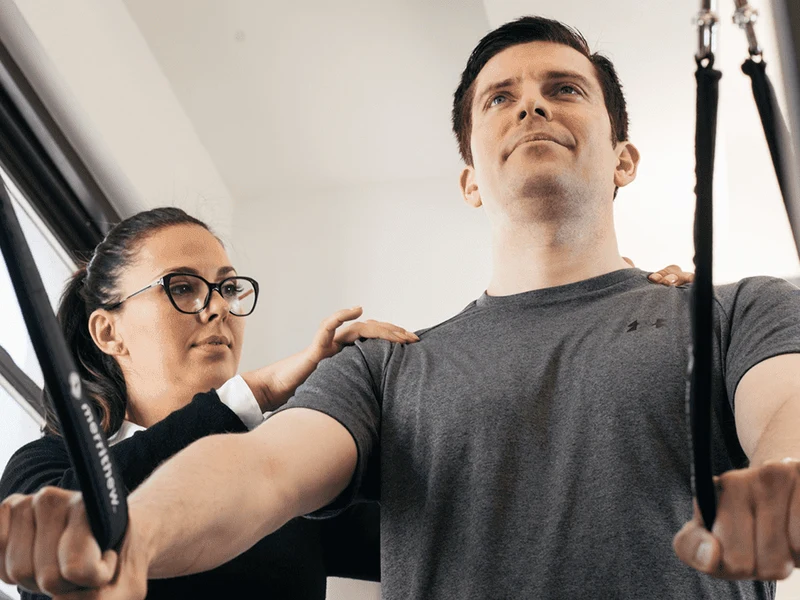
Shoulder Pain
Rotator cuff tears are one of many causes of shoulder pain. We identify and treat the source.
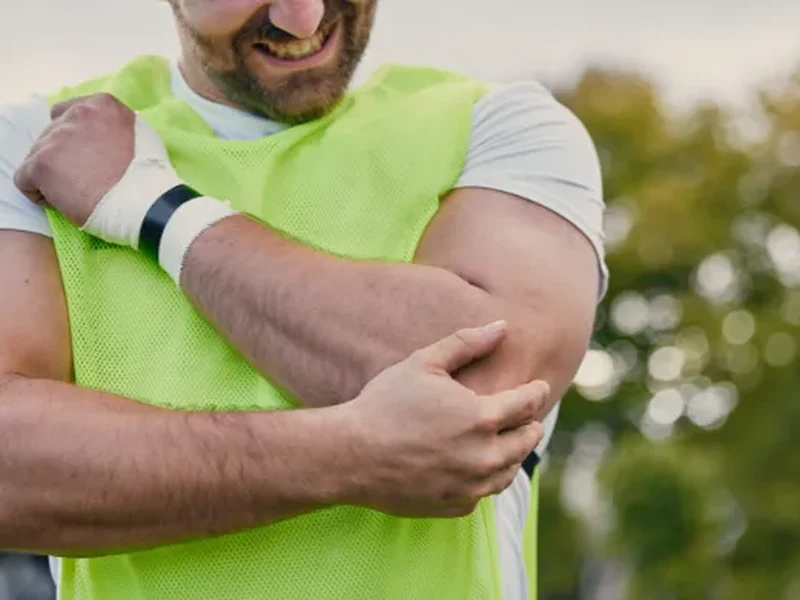
Tendinitis
Tendon overload and tears share overlapping causes and rehab approaches.
Sports Injuries
Overhead and throwing sports place unique demand on the rotator cuff. We understand the sport.