Return to Exercise Postpartum Treatment in New York
Getting back to your workouts after having a baby takes more than clearance from a six-week checkup. A structured return to exercise plan rebuilds the foundation your body needs first.
What causes Return to Exercise Postpartum?
Returning to exercise after having a baby is not just about waiting for a green light from your doctor. Reduced core stability, pelvic floor weakness, and joint laxity from pregnancy hormones all change how your body should be loaded, and progressing too fast is one of the most common causes of setbacks.
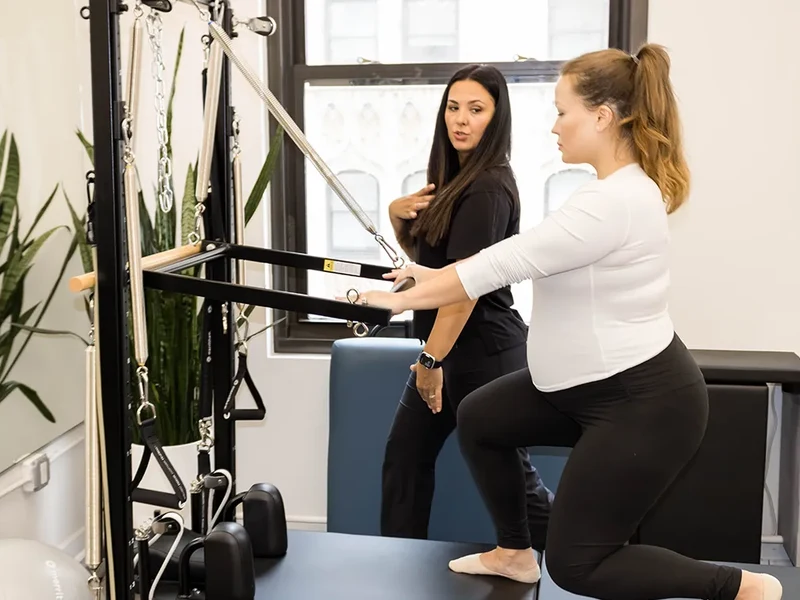
Pregnancy changes core and pelvic floor function, and those systems need to be retrained before they can handle the demands of running, lifting, or high-impact exercise.
Hormones that loosen ligaments for delivery can persist for months afterward, meaning joints may be less stable than they feel during exercise.
Jumping back into pre-pregnancy workout intensity without a graded return often overloads a system that is not ready yet, leading to pain or leakage.
Many people return to exercise without ever being assessed for core separation or pelvic floor weakness, missing the root cause of symptoms during workouts.
Reduced activity during pregnancy and the newborn period leads to genuine deconditioning that needs to be rebuilt gradually, not all at once.
Breastfeeding keeps some of the same joint-loosening hormones elevated well past delivery, which is a factor worth accounting for when building an exercise progression for nursing mothers.
Trying to immediately match the weights, mileage, or intensity you managed before pregnancy, rather than testing where your body actually is now, is one of the most common ways people push past what their recovering tissue can handle.

How physical therapy in New York helps.
A safe return to exercise postpartum starts with assessing your core, pelvic floor, and joint stability to understand where your body actually is, not where you assume it should be. We use this information to build a graded progression, starting with foundational core and pelvic floor work through approaches like clinical Pilates before adding load, impact, and intensity. Throughout the process, we monitor for warning signs like leakage, pelvic pressure, or abdominal doming that signal a system is not ready for the next step, and we adjust the plan the moment one appears rather than pushing through it. This individualized pacing is what prevents the common cycle of return, setback, and frustration. Whether your goal is running, lifting, or getting back to a group fitness class, the plan is built around that specific activity rather than a generic postpartum checklist. By the time you are back to your full workouts, your foundation is strong enough to actually support them.
What to expect from your recovery.
Readiness assessment
We assess core stability, pelvic floor function, and joint stability to understand where your body is before adding load, regardless of how long ago you delivered.
Graded strength and stability progression
We build foundational strength through clinical Pilates and targeted exercise before reintroducing more demanding movement, watching closely for any warning signs along the way.
Full return to your chosen activity
We progress you to your specific goals, whether that is running, lifting, or group fitness, with a body ready to support it.
Loved my experience here for postpartum PT! I came here 4 months post baby and my recovery would not have been possible without working with Dr. Monica. I was still very much struggling with pain throughout my body and she made me feel seen and heard throughout the process. It took me over 30 minutes to walk to her office the first day and only 10 minutes the last day, which made me feel like my old self again.
Pain rarely travels alone.
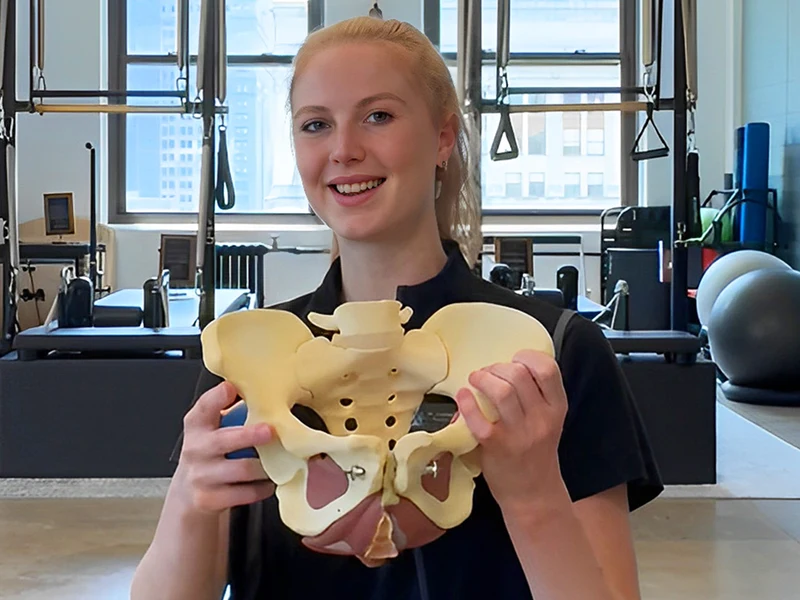
Postpartum Recovery
A full recovery is the foundation for a confident return to exercise.
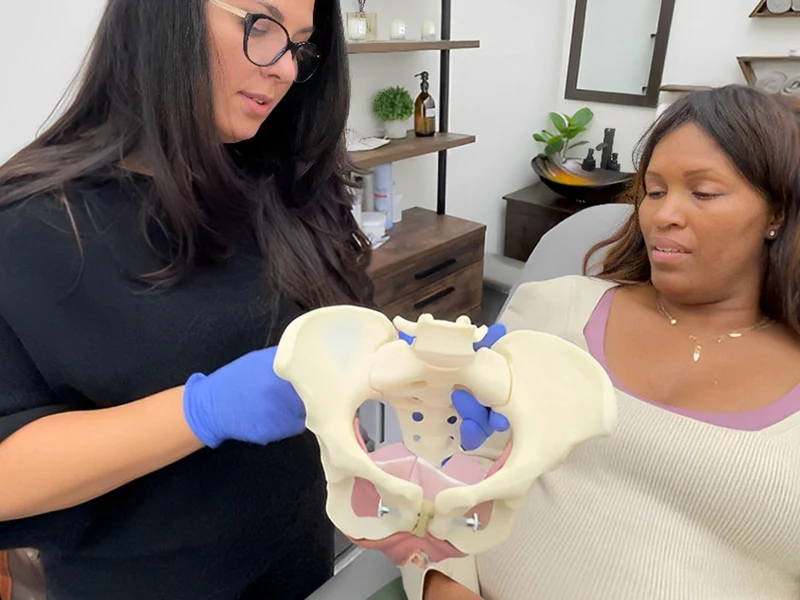
Running Postpartum
Running has its own specific return-to-activity considerations after pregnancy.
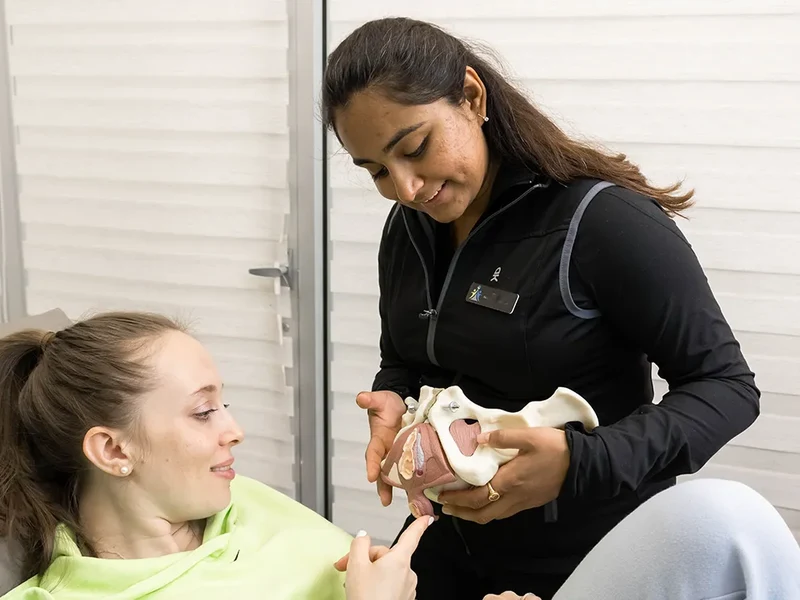
Bowel & Bladder Dysfunction
Pelvic floor symptoms during exercise are common and treatable, not something to push through.