Running Postpartum Treatment in New York
Running is high-impact, and a postpartum body needs to be specifically prepared for it. A structured plan gets you back on the road or trail without pelvic floor or joint setbacks.
What causes Running Postpartum?
Running postpartum places some of the highest impact demands on the body of any common exercise, and a pelvic floor and core that are not yet ready for it often signal that through leakage, pelvic pressure, or instability. Those symptoms are common, but they are not something you simply have to accept as the new normal. They are treatable, and a graded return protects both your comfort and your long-term joint health.
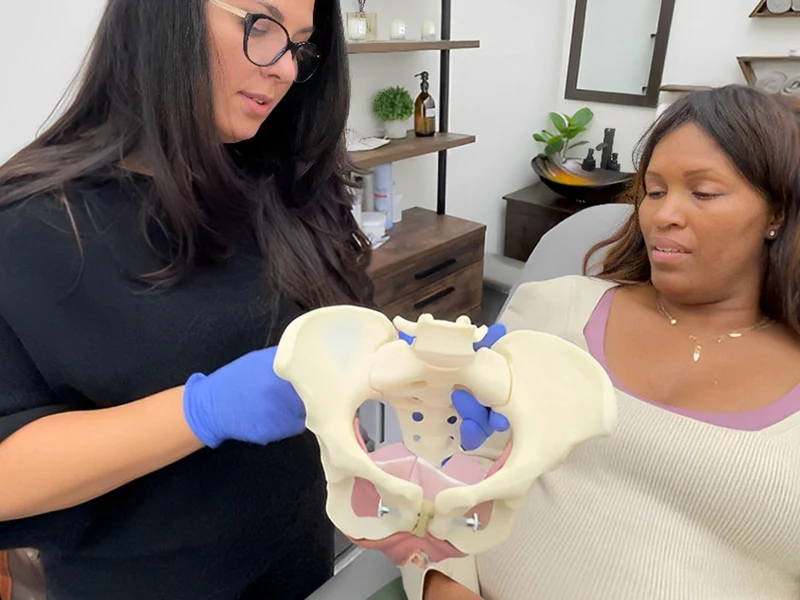
Running requires the pelvic floor to absorb repeated impact forces. If it has not been retrained after pregnancy and delivery, symptoms like leakage or pressure often appear.
Pregnancy hormones can leave joints looser than usual for months postpartum, increasing the demand on muscles to provide stability during running's repetitive impact.
Time away from running during pregnancy and early postpartum leads to detraining in the specific muscles and endurance systems running requires.
Returning directly to pre-pregnancy mileage and pace, without a structured walk-to-run buildup, is one of the most common causes of postpartum running injuries.
The physical demands of feeding and caring for a newborn add to overall fatigue and recovery capacity, which affects how much running load the body can handle.
Many postpartum runners have some degree of abdominal separation left over from pregnancy. Without addressing it directly, the core cannot transfer force efficiently during running, which shows up as low back pain, a bulging midline, or a feeling of instability with each stride.
Pregnancy changes your center of gravity, hip width, and foot mechanics. Runners who go back to their exact pre-pregnancy stride and shoes without reassessing form often develop new aches in the hip, knee, or foot that were not issues before.
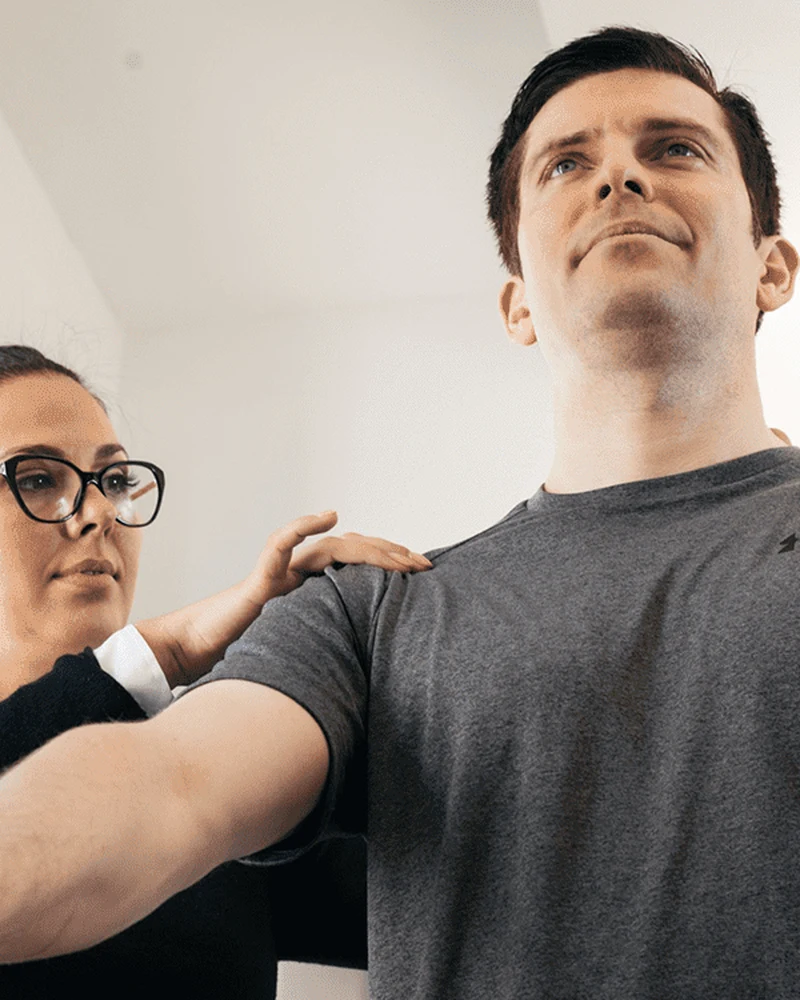
How physical therapy in New York helps.
A safe return to running postpartum starts with assessing pelvic floor function, core strength, diastasis recti, and running-specific mechanics before any mileage is added back. We build foundational strength and control first, often using clinical Pilates and targeted pelvic floor work, then apply an evidence-based walk-to-run progression that gradually reintroduces impact. Throughout the process we watch for warning signs like leakage, pelvic heaviness, or pain, adjusting the plan rather than pushing through them. We also address running mechanics and strength deficits that may have existed even before pregnancy, since a body that has carried and delivered a baby often moves differently than it did before. Every plan is one-on-one, with the same therapist each visit, so we can track your specific response week to week instead of running you through a generic protocol. By following a structured, individualized progression, most runners return to their previous mileage and pace without the setbacks that come from restarting too aggressively.
What to expect from your recovery.
Readiness assessment
We assess pelvic floor function, core strength, any diastasis recti, and running mechanics before reintroducing any running load. You leave with a clear picture of what your body is and is not ready for right now.
Foundational strength and walk-to-run progression
We build core and pelvic floor strength, then apply a graded walk-to-run progression that respects your body's current capacity. We adjust the pace of that progression based on how your body responds each week, not a fixed calendar.
Return to full running goals
We progress you to your target mileage and pace with mechanics and strength that support the impact of running long-term, including a plan for staying strong as your training builds back up.
I came in four months postpartum still struggling with pain throughout my body, and my recovery would not have been possible without working with Dr. Monica. It took me over 30 minutes to walk to her office the first day and only 10 minutes the last day, which made me feel like my old self again.
Pain rarely travels alone.
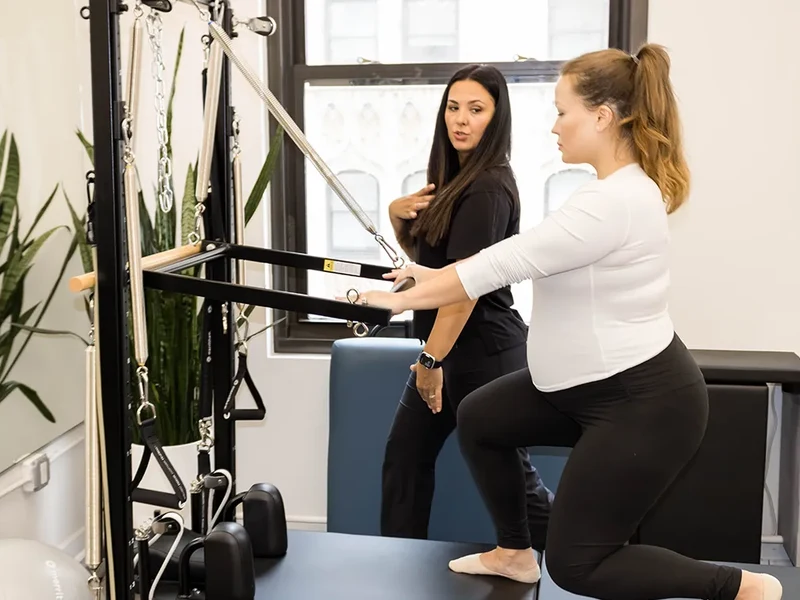
Return to Exercise Postpartum
Running is one piece of a full return to exercise. We build the whole foundation.
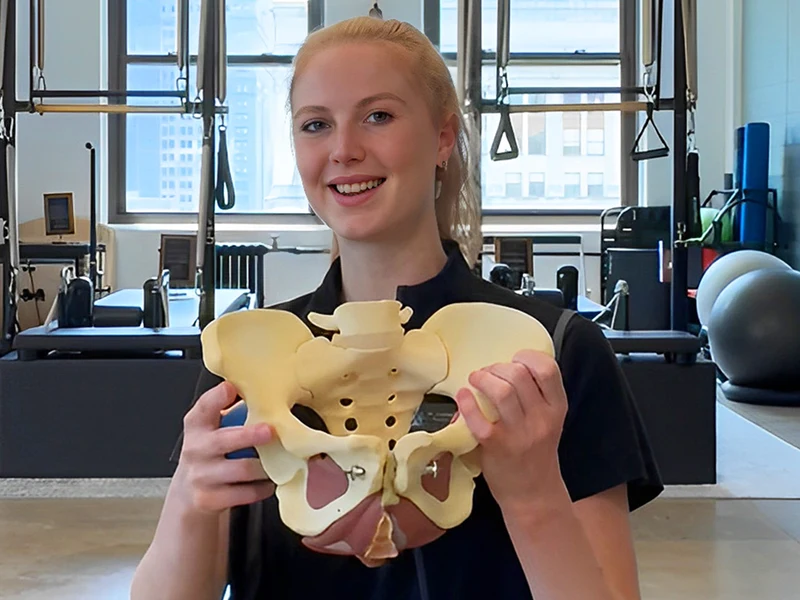
Postpartum Recovery
A strong recovery is the foundation every postpartum runner needs first.
Bowel & Bladder Dysfunction
Leakage during running is common and treatable, not something to just manage.